Ways Electronics Recycling Can Enable Organizations Become Green: Sustainable Solutions for Large Companies
Electronics recycling opens a important opportunity for businesses pursuing to elevate their green initiatives. By controlling e-waste correctly, companies can reduce their environmental burden and recover valuable commodities. Additionally, adopting these practices can strengthen corporate reputation among conscious consumers. However, several entities may overlook the intricacies encompassed in implementing a successful recycling strategy. Understanding these particulars is necessary for steering the path to sustainable enterprises and realizing long-term benefits.
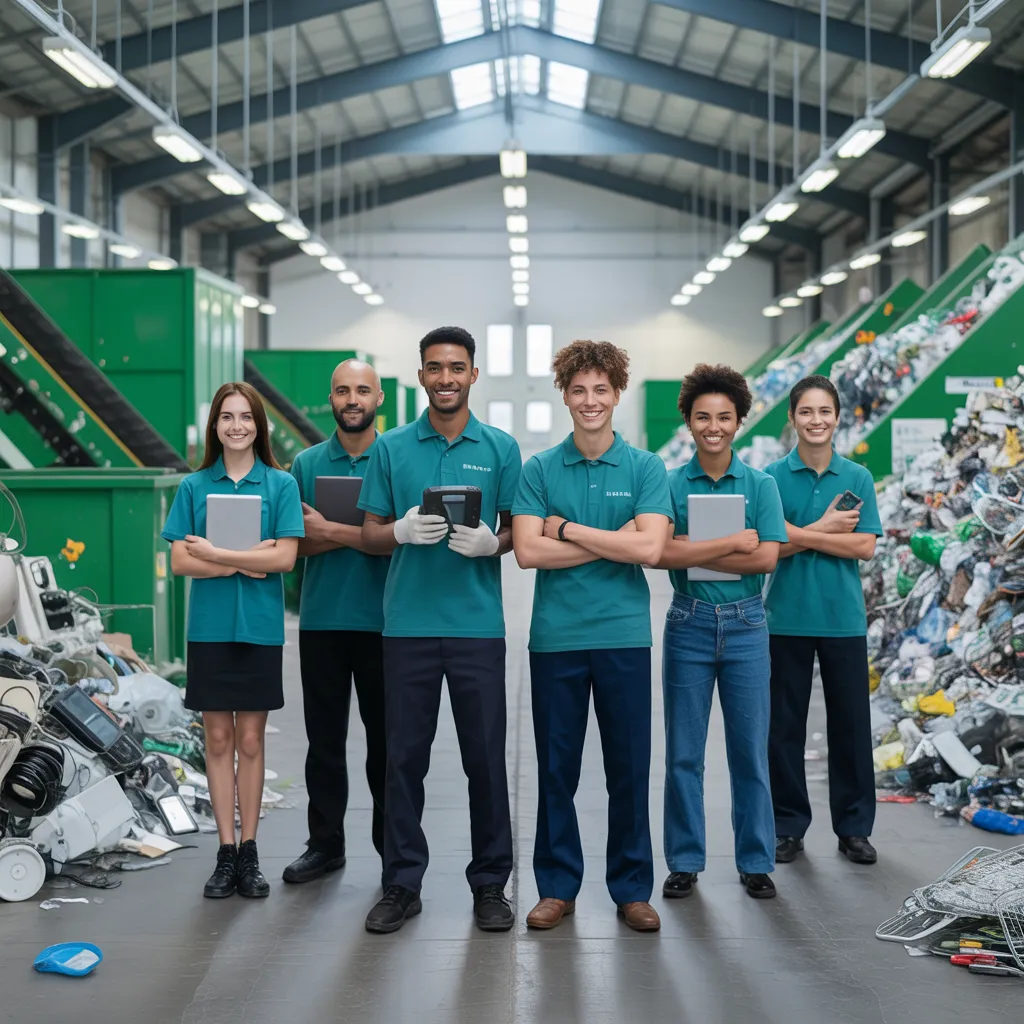
Why Electronics Reclamation Is Important for Businesses
Although many businesses may ignore the importance of electronics reclamation, it functions as an integral role in promoting sustainability and minimizing environmental impact. As technological improvements speed up, companies routinely modernize their electronic devices, resulting in a growing volume of e-waste. Effective recycling guarantees that valuable materials are reclaimed, reducing the need for new material sourcing and preserving energy.
Moreover, taking part in electronics recycling can enhance a company's reputation. Consumers increasingly prefer businesses dedicated to sustainable practices, and showing responsibility in managing e-waste can draw environmentally conscious customers. Compliance with regulations regarding electronic waste also protects businesses from potential legal liabilities and fines.
In addition, resource recovery can offer cost savings. By ethically handling superseded electronics, companies can minimize waste disposal fees and realize financial value from recyclable materials. Overall, advancing electronics recycling is not merely an ethical choice; it is a informed business decision that embraces modern sustainability goals.
How Reprocessing Electronics Lowers Environmental Damage
Electronics recycling functions as an important role in lowering environmental effects by conserving natural resources and minimizing e-waste pollution. By extracting important materials, this approach supports the advocacy of circular economy concepts. As enterprises engage in accountable recycling, they contribute to a more sustainable future.
Preserving Natural Resources
Recycling electronics greatly aids the conservation of natural resources by reclaiming precious elements. Many electronic devices contain precious metals such as gold, silver, and palladium, which are extractable and reusable. This process reduces the necessity of mining, a energy-intensive operation that depletes ecosystems and uses significant energy. Moreover, recycling assists in recovering rare earth elements that are vital for manufacturing new technologies. By diverting electronic waste from landfills, businesses not only diminish the environmental impact of resource extraction but further promote a circular economy. This sustainable habit allows companies to reduce their carbon footprint, lower production costs, and champion environmental stewardship, ultimately fostering a healthier planet for future generations. Through responsible recycling, businesses can pioneer conserving essential natural resources.
Minimizing E-Waste Environmental Impact
A important part of worldwide waste consists of electronic devices, playing a role in escalating environmental pollution. Incorrect e-waste disposal releases dangerous materials like heavy metals and toxins, contaminating soil and water supplies. Electronics recycling lessens these risks by ensuring that harmful components are processed safely and responsibly. Through repurposing materials like metals, plastics, and glass, recycling reduces the demand for new resource extraction, further reducing environmental harm. Furthermore, recycling programs help the responsible disposal of discarded devices, helping businesses comply with environmental standards. Engaging in electronics recycling allows companies to both reduce their carbon footprint and encourage a healthier ecosystem. This forward-thinking method illustrates corporate responsibility while effectively dealing with the urgent problem of e-waste pollution.
Advancing Cyclical Economy Strategies
Adopting responsible e-waste recycling programs serves as a crucial element in strengthening circular economy frameworks. By handling electronic waste, enterprises can markedly reduce the demand for raw resources, thus safeguarding natural resources and curtailing environmental harm. This method facilitates the recovery of critical materials, extending the useful life of products and minimizing the scale of e-waste placed in landfills. Moreover, by adopting circular economy principles, businesses can strengthen their corporate reputation and meet consumer expectations for green practices. Prioritizing conscientious recycling additionally spurs innovation in product engineering, prompting suppliers to produce equipment that are simpler to take apart and recycle. In conclusion, weaving electronics recycling into company strategy facilitates a more environmentally conscious future, helping both the environment and the market.
Primary Gains of Electronics Reuse for Organizations
Electronics reprocessing provides major benefits for businesses, primarily through expense reduction and pollution decrease. By correctly recycling obsolete devices, firms can lower waste fees and extract essential resources. Moreover, embracing waste management solutions enhances corporate responsibility and promotes green initiatives.
Budget Cuts Chances
Plenty of businesses are uncovering significant cost savings through efficient e-waste recycling practices. By establishing these initiatives, organizations can minimize disposal expenses tied to e-waste, since recycling often costs less than landfill disposal. Additionally, valuable materials recovered from old electronics can be marketed, creating revenue and reducing replacement costs. Efficient recycling systems also minimize storage costs for obsolete equipment, unlocking valuable office space. Moreover, many organizations experience from tax incentives connected to sustainable practices, adding another layer of financial advantage. Overall, embracing electronics recycling not only promotes corporate responsibility but also supports economic efficiency, allowing businesses to direct resources more intelligently and improve their bottom line.
Minimizing Environmental Effects
A considerable decrease in ecological impact is one of the core benefits enterprises enjoy when they establish comprehensive electronics waste management. see this By recovering useful equipment, firms can curb hazardous materials, such as toxic elements and harmful substances, that can infiltrate soil and water bodies. This not only plays a role in protecting natural reserves but also lowers the climate impact caused by constructing new devices. Additionally, managing reduces energy consumption, as it often requires minimal electricity to refine recovered substances than to obtain and refine raw material supplies. As institutions execute these approaches, they advance circular business models, encouraging ecological conservation and responsibility. Ultimately, responsible waste management permits entities to bolster sustainability image while serving the environment.
How to Formulate a Winning Electronics Recycling System
Forming a thriving tech waste recycling framework requires careful strategizing and carrying out. Enterprises should undertake by reviewing their operational e-waste management practices to recognize areas for improvement. This examination should include an inventory of outmoded units and an appraisal of disposal methods.
Next, organizations must establish distinct objectives for their recycling efforts, which could encompass minimizing waste generation, improving recycling percentages, or boosting environmental initiatives. Involving staff through training sessions cultivates a culture of environmental responsibility and promotes involvement in waste management programs.
Additionally, developing a timeline and financial allocation is vital for monitoring progress and ensuring resources are allocated efficiently. Frequently reviewing and updating the strategy based on suggestions and evolving regulations helps maintain adherence and effectiveness. By combining these elements, companies can develop a strong electronics recycling strategy that not only benefits the environment but also advances corporate responsibility and improves their sustainable image.
How to Pick the Right Electronic Device Recycling Provider
How can a company guarantee its electronics recycling vendor aligns with its sustainability goals? Choosing the right recycling partner requires thorough evaluation of their practices and credentials. Companies should seek partners who possess recognized certifications, such as R2 or e-Stewards, which confirm adherence with environmental standards.
Additionally, organizations should question about the partner recycling processes, including the ways to manage hazardous waste and the percentage of materials recycled relative to those sent to landfills. Honesty in data reporting and management procedures is also imperative.
Furthermore, a solid reputation in the industry can be indicative of reliability; businesses may gain advantages from reviews and testimonials from other clients. Engaging in open communication about environmental objectives will help ensure coordination. Ultimately, selecting a partner dedicated to responsible waste management can significantly improve a corporation's overall environmental programs.
Dispelling Widespread Untruths Regarding Electronics Recycling
Many firms acknowledge the value of electronics recycling, but several myths linger that can obstruct efficient practices. A typical misconception is that all electronics can be thrown away in regular recycling bins. Actually, particular facilities are required to process electronic waste safely. Another myth implies that recycling electronics is too pricey for businesses. In reality, a variety of recycling programs provide free or low-cost services that can finally save companies money by decreasing waste disposal fees. Additionally, some think that data security concerns make recycling too risky. However, reputable recycling partners deliver certified data destruction services, confirming sensitive information is safely handled. Lastly, there is a idea that recycling electronics has minimal environmental impact. In truth, proper recycling substantially reduces e-waste in landfills and conserves valuable resources. Debunking these myths is important for businesses looking to adopt sustainable practices and help the environment.
Evaluating Your Electronics Recycling Success
Firms that effectively refute myths about electronics recycling often find themselves keen to measure their progress. Tracking KPIs is critical for evaluating the effectiveness of recycling schemes. Measurements such as the scale of e-waste recycled, the fraction of materials salvaged, and monetary savings can provide worthwhile intelligence.
Additionally, companies should assess their carbon footprint reduction and compliance with environmental regulations. Engaging employees through educational initiatives can also be measured by engagement levels in waste reduction initiatives.
Taking into account customer feedback can better develop understanding of the recycling program's impact. Ongoing audits and communication on these indicators not only emphasize positive outcomes but also reveal areas for improvement.
Ultimately, a structured approach to measuring electronics recycling success allows businesses to make data-driven decisions, fostering a culture of sustainability that benefits both the environment and the organization.
Frequently Inquired Topics
What Kinds of Electronic Devices Can Be Reprocessed?
Many types of electronic devices can be recycled, including computers, smartphones, tablets, televisions, printers, and gaming consoles. These items often contain valuable materials that can be reused, decreasing waste and promoting environmental conservation.
How Often Should Organizations Recycle Their Tech Equipment?
Companies should properly dispose of their tech equipment minimally once yearly, or more regularly based on technological upgrades and hardware replacement. Regular recycling assures effective resource stewardship and conformity to environmental regulations, promoting environmental stewardship within the organization.
Do Electronics Recycling Programs Have Associated Costs?
Yes, there are costs linked to electronics reclamation, including gathering, transportation, and processing fees. However, these expenses can be balanced by possible savings from reduced waste disposal and compliance with environmental regulations.
Could Processing Electronics Cause Data Security Risks?
Yes, electronic waste recycling can pose data security risks if proper procedures are not implemented. Sensitive information may be inadvertently disclosed during the electronic disposal, emphasizing the criticality of protected information disposal strategies before discarding.
What Accreditations Should Your Recycling Partner Have?
A reputable recycling partner should hold credentials such as R2, e-Stewards, and ISO 14001. These certifications ensure adherence with sustainability guidelines, cybersecurity standards, and sustainable waste management, safeguarding both the environment and private data.