E-Waste Collection Made Simple: What to Expect From Our Recycling Services
E-waste has become a major ecological issue as technology continues to evolve. Numerous individuals struggle to dispose of their unwanted electronics responsibly. Understanding the process of e-waste pickup can simplify this task. Understanding what to anticipate from expert recycling providers is essential. As the need for effective waste management rises, the implications for individuals and the environment deserve greater attention.
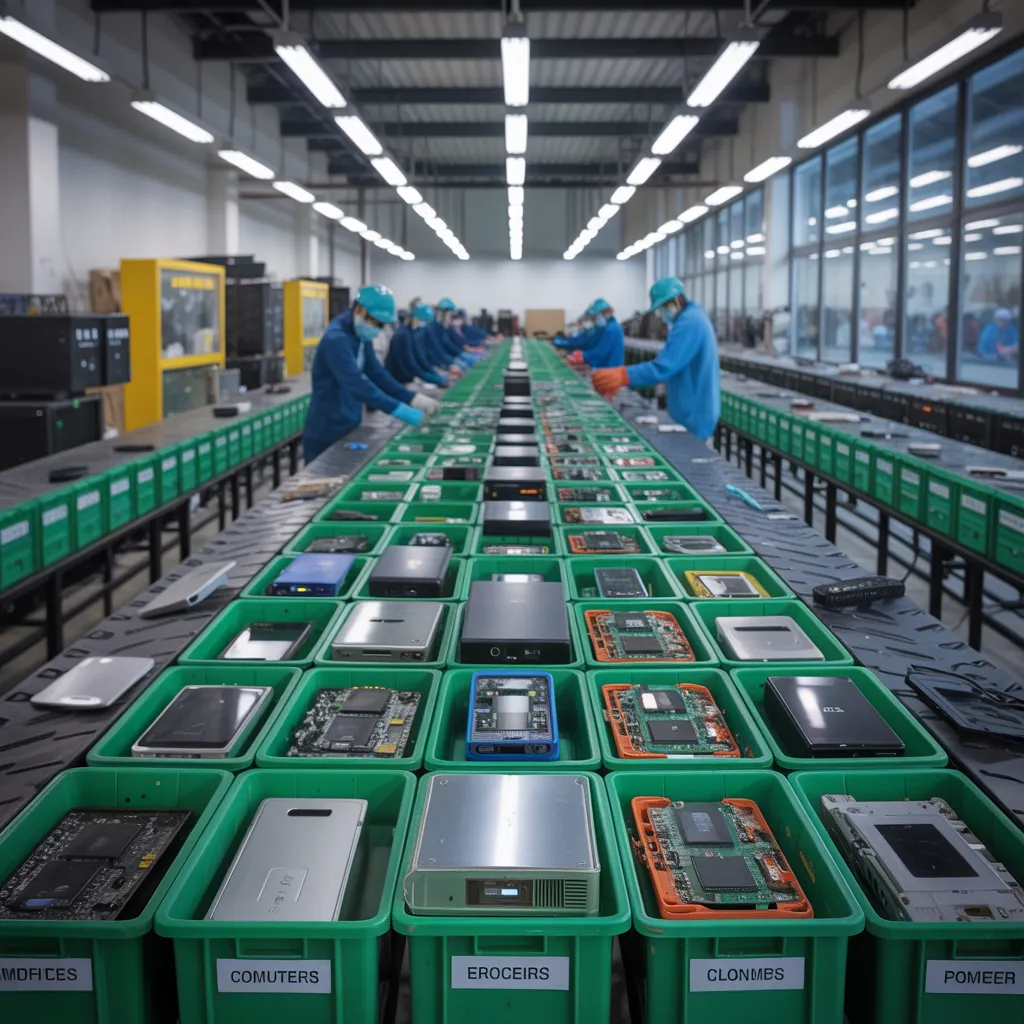
What Is Electronic Waste and Why Does It Matter?
E-waste, an abbreviation for electronic waste, includes unwanted electronic equipment such as computers, smartphones, and televisions. This growing category of waste poses significant environmental challenges. With the rapid pace of technological advancement, consumers are replacing their devices more often, contributing to a rise in electronic waste. Incorrect disposal methods can introduce toxic materials, such as lead, mercury, and cadmium, into the environment, polluting soil and water supplies.
Additionally, e-waste is a major factor in resource depletion, as valuable materials like gold, silver, and copper are frequently wasted when devices are discarded rather than recycled. Increasing understanding of e-waste is vital, as individuals and businesses alike can take part in reducing its impact. By grasping the significance of e-waste, communities can adopt more responsible disposal practices and promote sustainable recycling solutions. When all is considered, caring about e-waste not only preserves the ecosystem but also promotes a circular economy.
E-Waste Recycling Items We Accept
A wide range of electronic devices can be accepted for recycling, helping to mitigate the environmental impact of e-waste. Frequently accepted items include old computers, laptops, tablets, and smartphones, which frequently harbor hazardous materials. Moreover, peripherals such as printers, keyboards, and mice are also welcome. Televisions, monitors, and other display devices are covered under the accepted categories, guaranteeing the secure removal of toxic components.
Household appliances, including microwaves and refrigerators, can also be accepted, so long as they are not in working condition. Batteries, particularly rechargeable types, are essential for recycling owing to the chemicals they contain. Networking devices, audio equipment, and gaming consoles are other examples of eligible materials.
How to Set Up Your E-Waste Pickup
Looking to set up an e-waste pickup? Scheduling an e-waste pickup is a straightforward process designed for convenience. Those looking to get started can head to the recycling service's website, where they will find a designated portion for booking pickups. In most cases, a simple online form is provided that collects fundamental information such as name, address, and the types of e-waste to be collected.
Upon completing the form submission, applicants should anticipate an email confirmation providing the specific date and time details. Several providers also include a phone option for people who prefer a more personal approach. It is recommended to review certain necessary conditions, including item packaging or preparation guidelines, before the pickup. Additionally, some recycling services may provide extra information and suggestions for effective electronic waste management, guaranteeing a seamless and successful pickup experience. This makes it easy for anyone to participate in sustainable electronic waste practices.
Why E-Waste Disposal Should Matter to You
Electronic waste disposal is essential for protecting the environment and public well-being. The improper management of electronic waste may cause toxic materials to contaminate soil and water, presenting grave risks to public health. Recognizing the importance of responsible e-waste management is essential for a sustainable future.
Awareness of Environmental Impact
Why is it important for individuals to consider how they dispose of electronic waste? The environmental consequences of e-waste are considerable, as improperly discarded electronics contribute to pollution and resource depletion. Numerous electronic devices are made with hazardous materials, including lead and mercury, which can leach into soil and water, harming ecosystems and wildlife. Moreover, improperly disposed e-waste results in the forfeiture of recyclable resources like gold, copper, and rare earth elements. By increasing awareness of proper e-waste disposal methods, individuals can help reduce their carbon footprint and promote sustainable practices. Supporting recycling initiatives not only minimizes environmental harm but also fosters a circular economy, where materials are reused and repurposed, ultimately benefiting future generations and the planet.
Health Hazard Mitigation
Improper disposal of electronic waste poses serious health risks to communities and individuals alike. Dangerous materials contained in e-waste, such as lead, mercury, and cadmium, can infiltrate soil and groundwater, tainting local water supplies and food sources. Being exposed to these harmful materials can cause significant health problems, including neurological impairment, respiratory difficulties, and heightened cancer risks. Furthermore, unregulated recycling methods frequently worsen these risks, as workers often lack adequate protective equipment when taking apart devices. Through choosing responsible e-waste management via certified recycling programs, individuals can reduce these health risks, creating healthier environments for themselves and their communities. Understanding these risks highlights the essential need for responsible e-waste handling.
How We Maintain Safe and Green E-Waste Recycling Practices
In a society becoming progressively more reliant on technology, the safe and eco-friendly recycling of electronic waste is vital for ecological balance. To achieve this, companies adopt comprehensive methods that comply with ecological guidelines and industry standards. They start by performing thorough assessments of e-waste, classifying materials according to material types and potential hazards. This guarantees that harmful substances, such as heavy metals like lead and mercury, are properly managed.
Next, innovative recycling approaches are implemented to recover precious materials, decreasing the environmental burden on landfills. Advanced facilities powered by state-of-the-art technology responsibly break down devices, categorizing parts for repurposing or recycling. Moreover, these companies prioritize partnerships with certified recyclers who share a commitment to eco-friendly practices.
Workforce development also reinforces safety protocols, confirming that all staff members are knowledgeable about handling potentially hazardous materials. By means of these comprehensive approaches, companies serve a vital function in supporting a regenerative economic model while protecting the well-being of people and the natural world.
Advantages of Using Our E-Waste Pickup Services
Using expert e-waste collection services optimizes the procedure for discarding unneeded electronic items while fostering sustainable practices. Such services minimize the burden of transportation, enabling customers to conveniently schedule pickups at their preferred time. This not only reduces time spent but also minimizes the possibility of irresponsible disposal, guaranteeing that hazardous materials are managed properly.
Additionally, these providers often provide documentation verifying the recycling process, which is beneficial for organizations aiming to meet legal guidelines. Employing qualified solutions also enhances community awareness about e-waste challenges, encouraging more people to engage in sustainable practices.
Moreover, many electronic waste pickup companies partner with approved recycling plants, making certain that materials are processed in an environmentally friendly manner. This joint endeavor has a major impact on minimizing landfill overflow and preserving natural resources, rendering e-waste removal services an environmentally conscious option for personal and corporate use alike.
Frequently Asked Questions About E-Waste Disposal
What should one know about e-waste disposal? A great number of people commonly seek answers about the correct procedures and guidelines related to electronic waste. First, it is vital to understand that e-waste includes discarded devices such as computers, televisions, and smartphones, which contain hazardous materials. Proper disposal is essential for environmental protection.
Another typical question relates to nearby recycling alternatives. Many communities offer designated drop-off locations or scheduled pickup services for e-waste. It is recommended to consult area-specific rules, as certain regions may enforce particular disposal requirements.
People frequently ask about the security of personal data. Before recycling devices, individuals should verify that any sensitive information is completely wiped.
Finally, there are potential concerns regarding expenses. Many e-waste recycling services are free, but certain providers may require payment for particular items. Gaining awareness of these factors can promote responsible e-waste disposal.
Frequently Asked Questions
How Do You Ensure Data Security During E-Waste Recycling?
To guarantee the security of data in the course of electronic waste recycling, the company employs certified methods of data destruction, including physical destruction of storage devices and comprehensive data wiping, effectively safeguarding confidential information across the full recycling process.
What Takes Place with E-Waste After Collection?
After collection, Find more here e-waste is sorted, dismantled, and processed. Recoverable materials are reclaimed for future use, while toxic components are responsibly eliminated. This guarantees environmental protection and promotes resource conservation in the recycling process.
Is There a Fee for E-Waste Pickup Services?
Costs for e-scrap retrieval can vary subject to the service provider and location. A number of service providers could include free pickup, while alternative companies could impose a cost based on the amount or kind of electronic materials being processed.
Am I Able to Donate My Used Electronics?
Individuals are able to donate old electronics to a range of charities, schools, or local community centers. Most of these organizations welcome working devices, promoting reuse while reducing waste. Giving away electronics helps those who need them most, making it a beneficial choice.
What Is the Environmental Impact of E-Waste Recycling?
E-waste recycling carries a considerable environmental impact, minimizing landfill overcrowding, protecting essential natural resources, and limiting the discharge of harmful substances. Responsible recycling initiatives support sustainability and reduce the environmental impact linked to discarded electronics.